
Selling Shapewear Online: A Realistic Channel Guide for New Brands
November 3, 2025 · Yogaaga Product Team
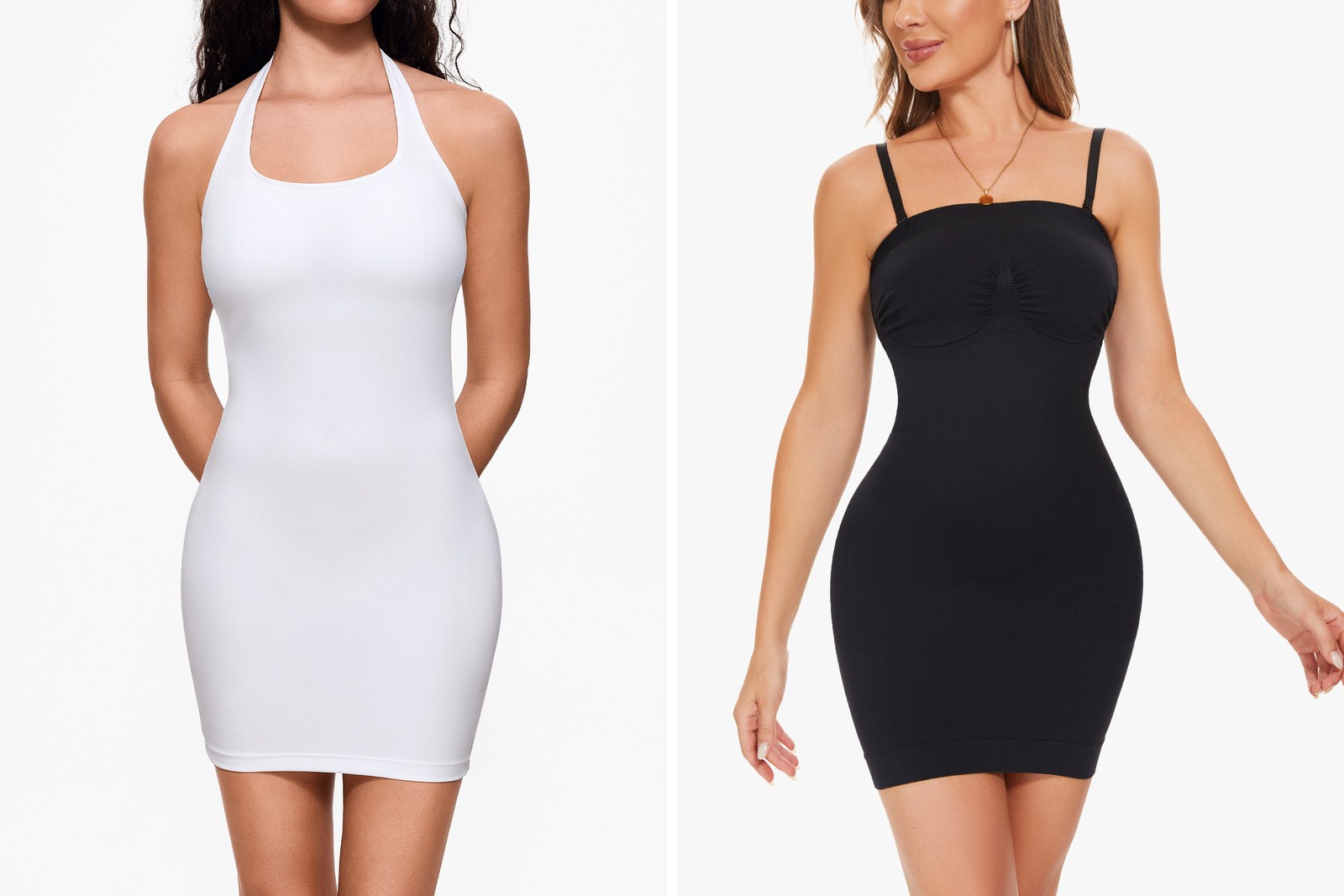
We should be upfront about something before this article starts: we're a factory. We don't run a store, we don't manage ad accounts, and we've never sold a shapewear brand to a consumer. Everything below comes from watching our clients' numbers, hearing what works and what doesn't in the months after they take delivery, and noticing which ones come back for a third order and which ones quietly stop.
That vantage point has one advantage. We see brands across every channel and price point, so we know which channels actually produce repeat orders and which ones produce a lot of noise and a warehouse full of unsold inventory.
Month one to three: your own store, because there's nowhere else to learn
The first thing to understand about launching on your own store is that it comes with nothing. No traffic, no trust, no algorithm deciding to help you — the first quarter is entirely on you. Every visitor in the first quarter is either paid for or earned, and you'll spend the first two months discovering which of your assumptions about your customer were wrong.
That's the point. Your own store is the cheapest place to learn, because you get the full picture: what people click, where they abandon, which questions they email about, which sizes sell out first. On Amazon or TikTok Shop you get a fraction of that information and you don't own the customer at the end of it.
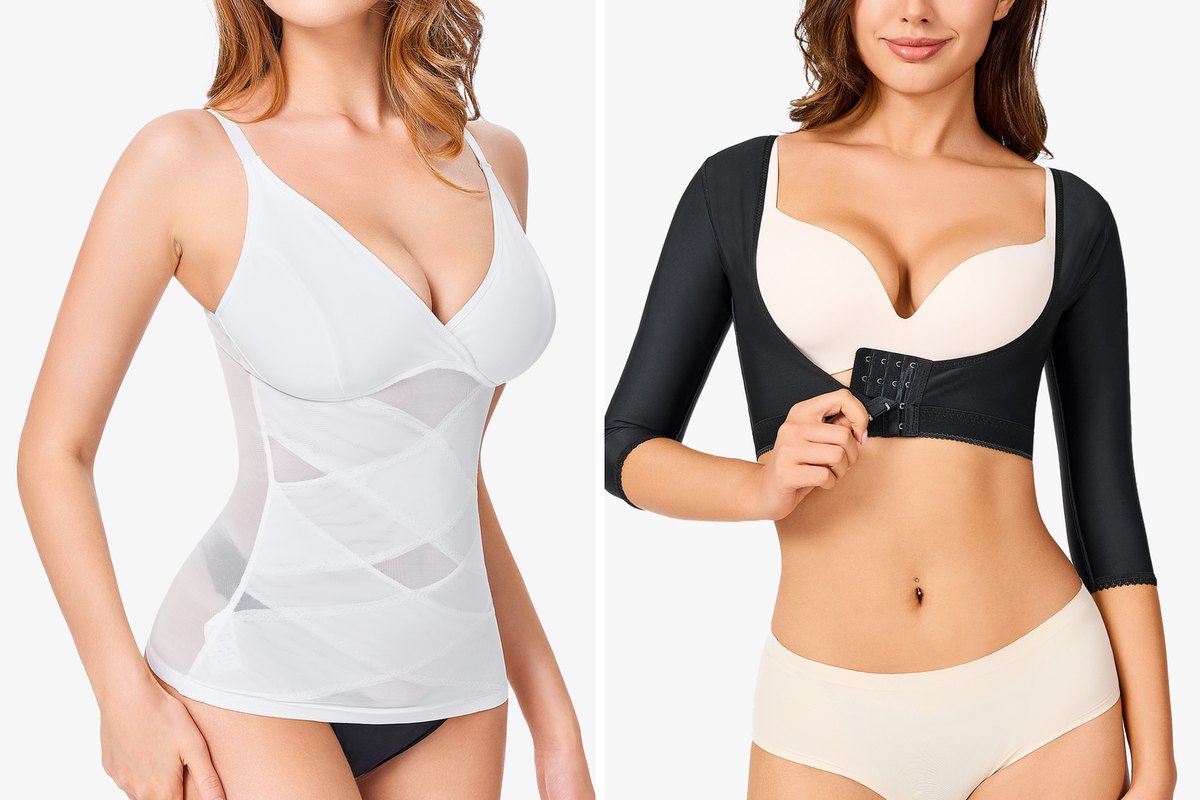
Simple, repeat-buy styles usually carry a new brand's store while more ambitious pieces find their market.
Two things make the difference early on. First, creative: shapewear sells on seeing it work on a real body, which means video, and specifically unpolished video that shows the garment under actual clothes. Photos of garments on hangers convert poorly in this category and always have. Second, email capture from the first day. Shapewear customers research. A meaningful share of them will look twice before buying, and the email list is where that second look happens.
Budget for a paid test of $50 to $100 a day until you know your acquisition cost. If that number sounds high, it's the honest price of finding out whether the product works commercially before you scale anything.
Month two to four: social commerce, if your product demos well
Shapewear happens to be one of the strongest apparel categories on TikTok Shop right now, and it's not an accident. The format that platform rewards, a real person showing a real change in a short video, is exactly how this product category sells. Commission structures plus creator cuts commonly take 20 percent or more of revenue, which is a real cost, but organic reach is still available there in a way it hasn't been on Instagram for years.
What we see working for clients: micro-creators with five to fifty thousand followers, seeded with product, posting consistently. For shapewear specifically, a credible micro-creator outperforms a polished macro account almost every time, because the audience is buying the demonstration, not the production quality. Budget for sending out a lot of product and accept that most of it won't convert into sales. The ones that do tend to convert hard.
If you or someone on your team can be on camera, that's cheaper and often better. It's not optional polish in this channel; it's the channel.
Month four to six: Amazon, once you have something to show
Amazon's shapewear category is enormous and unforgiving, and the businesses at the top of it have thousands of reviews. Going in on day one means paying for visibility against listings that have been accumulating social proof for years, and shapewear buyers on Amazon are heavily review-driven. It's one of the few categories where a new brand's conversion rate can be several times worse on Amazon than on its own store.
The sequence that works is the reverse of the obvious one: launch your store, collect fifty or more genuine reviews, build photography that competes, then bring that credibility to Amazon with FBA. You'll convert better, defend a higher price, and spend less to get there.
One thing to model before you commit: Amazon's return policy is generous, and shapewear is fit-sensitive. Expect a return rate meaningfully above what your own store sees, and price accordingly. This is another place where spending the effort on getting sizing right pays for itself several times over.
Month six onward: wholesale, the channel nobody talks about
Lingerie boutiques, postpartum clinics, bridal shops, compression-wear specialists, fitness studios. These buyers need product that fits their specific clientele, they reorder on a schedule, and once they trust a supplier they rarely leave. The margins are thinner, typically keystone pricing where the boutique buys at half of retail, and the terms are slower: net 30 or net 60.
What it takes to start is unglamorous. A line sheet, a wholesale price list, a simple order form, and direct outreach to fifty carefully chosen shops. Most will ignore you. A few will ask for samples. One or two will place an order small enough to feel pointless, and then reorder every season for years.
Several of our clients built their entire first year on wholesale before touching paid ads, and they tend to be the calmest founders we work with. One account that reorders four times a year is worth more than a campaign you have to buy again every month.
The arithmetic that decides everything
Take a bodysuit that retails at $32. On a direct-to-consumer order, the shape of the math usually looks roughly like this:
- Product and branding: about $5.50
- Fulfillment and shipping: about $4.20
- Payment processing and platform fees: about $1.60
- Customer acquisition: $10 to $18, depending on your creative quality
That leaves $3 to $10 of contribution before returns, which in shapewear can take another 8 to 15 points off the top if your sizing sends people to the wrong product. The brands that survive aren't the ones with the cheapest manufacturing. They're the ones whose fit and photography keep returns low enough for this arithmetic to work.
Frequently asked questions
Where should a new shapewear brand sell first?
Your own store, so you keep the customer data and learn what actually converts. Add TikTok Shop in parallel if your product demonstrates well in video, and move to Amazon once you have genuine reviews to show. Wholesale becomes valuable from around month six.
Shopify or Amazon for shapewear?
They solve different problems. Shopify gives you margin, data and control but no built-in traffic. Amazon brings traffic but takes fees and requires reviews to convert. Most of the successful brands we supply run both, with Shopify first.
How much does it cost to acquire a shapewear customer?
New brands commonly pay $10–25 per order in paid social, improving as creative matures and retargeting kicks in. Organic video on TikTok can push this considerably lower, but only if you can produce content consistently.
Is TikTok Shop worth it for shapewear?
Right now, yes, for most brands with a product that demonstrates visually. The economics depend on volume, because commission and creator costs are high, and it rewards consistent posting over polished production.
What margin should a shapewear brand expect?
Healthy direct-to-consumer brands run 55–70% gross margin and 15–25% net after acquisition, returns and overhead. If your numbers sit below that, the fix is usually returns and creative quality rather than price increases.
Channel choices get easier once the product works and the sizing is honest, because then every channel has a chance. They get much harder when you're using marketing to compensate for a line that isn't ready. If that's where you are, the more valuable conversation might be about production and sequencing rather than ad spend, and we're happy to have it.