
The Fabric Decisions That Make or Break a Shapewear Line
October 26, 2025 · Yogaaga Product Team
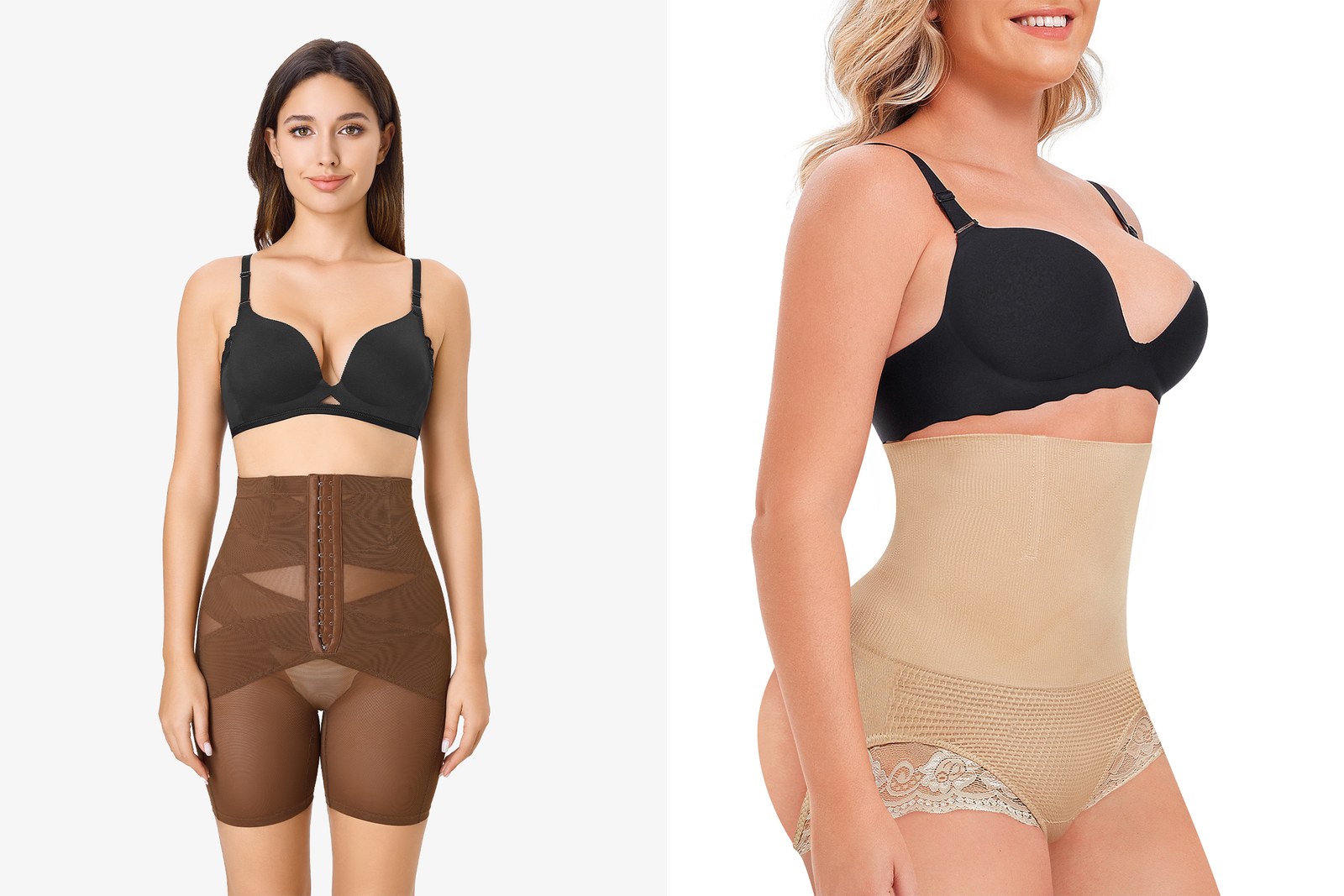
A few years ago a client sent back a full container of bodysuits. Not because of the fit, and not because of the stitching. The fabric had a buttery hand that everyone loved in the sample room, and after eight weeks of wear the garments had stretched out at the waist, lost their shape, and started pilling under the arms.
It was a good fabric, technically — soft, smooth, pleasant against skin. It just wasn't built to hold compression, and nobody had tested for that because the swatch felt so nice.
Fabric is where shapewear lines quietly succeed or fail, and the swatch in your hand tells you almost nothing about which one you're looking at. So how do we approach it when a brief lands on our desk?
The construction matters before the fiber does
Clients usually ask whether they should use nylon or polyester. The more consequential question is how the fabric is knitted, because that decides what the garment can physically do.
Seamless circular knitting builds the garment as a tube with different tension zones knitted directly into it. No side seams to rub, no edges to show through a dress, and a fit that follows the body rather than being cut to approximate it. This is the default for everyday shaping pieces, camisoles, control briefs, and it's the reason the category has grown the way it has.
Cut-and-sew takes flat fabric and builds the garment from panels. With powernet or power mesh, that gives you firm, directional compression that a circular knit can't produce on its own. Waist trainers, post-surgical bras and firm-control pieces live here, usually with two or three layers doing different jobs.
Plenty of good products combine both. A firm bodysuit might use a seamless body for comfort with a bonded or sewn panel at the tummy where the actual work happens.
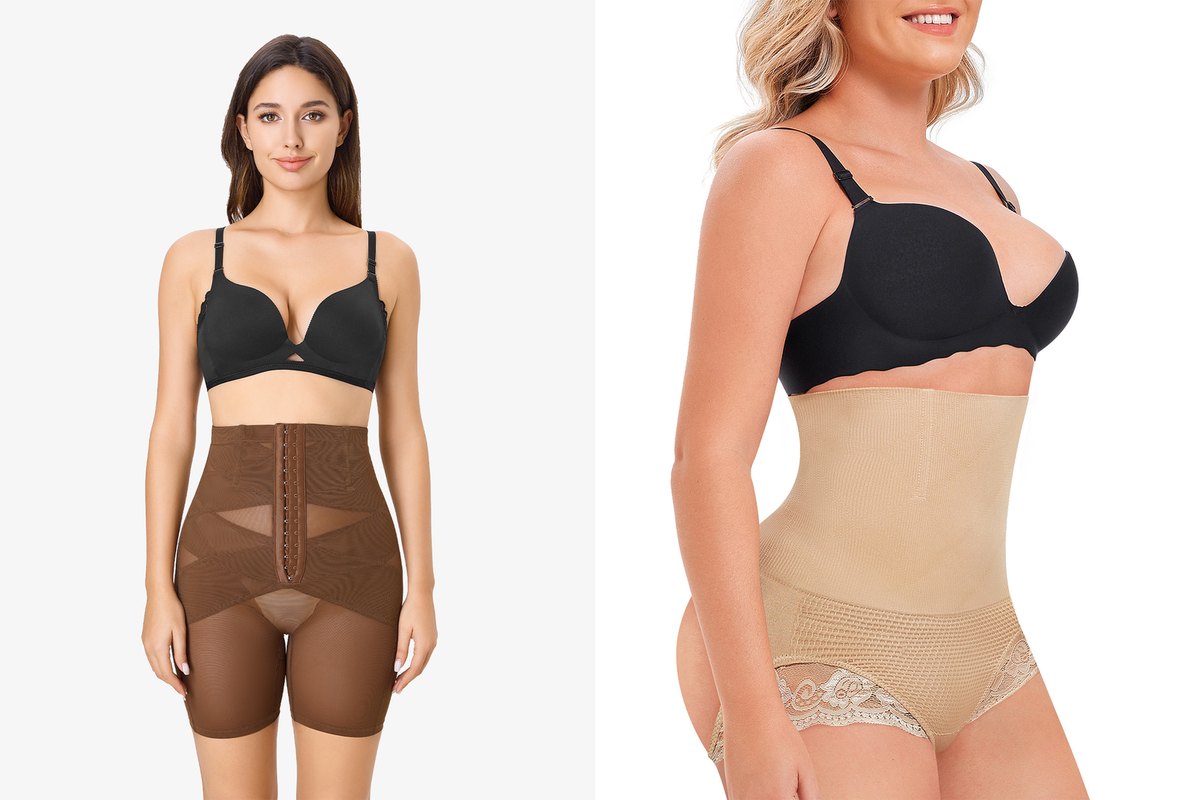
Seamless knitting produces the smooth edges that make everyday shapewear invisible under clothing.
Elastane percentage is the dial that changes everything
Roughly speaking, and these ranges are worth treating as a starting point rather than gospel:
- 10–15% elastane gives light smoothing. It feels closer to firm underwear than to shapewear, and it sells on comfort.
- 18–22% is the workhorse range for bodysuits and shaping briefs. Medium control, holds up to daily wear, forgiving to produce.
- 25% and above, or powernet layering at lower percentages, gets you genuine firm compression for postpartum, post-surgical and waist training products.
Two things surprise people here. First, more elastane makes the garment harder to sew, not easier. Spandex is heat sensitive, and a fast needle will melt it, which is why firm-compression styles take longer on the line and cost more than the fabric price suggests. Second, gsm and elastane percentage interact in ways that make single-number comparisons useless. A 250gsm fabric at 20% elastane can out-compress a 180gsm fabric at 25%, depending on knit structure and how the fabric was finished.
Which is why we'd rather talk about the outcome than the recipe. Tell a factory "when I stretch 10cm of this, it should return to under 6cm in fifteen seconds" and you'll get a more useful answer than any percentage you could specify.
What we actually put in garments
Nylon with spandex remains the default for good reason. Soft, durable, dyes evenly, holds shape across a long wear cycle. If you have no strong reason to choose otherwise, start here.
Microfiber polyester with spandex runs a little cooler and manages moisture better at a lower cost. It's common in value lines and in sauna garments where heat and sweat are the point.
Cotton gussets and linings aren't optional on anything worn against the body all day. Every brief and bodysuit we produce has a breathable lining where it needs one, and we'd push back on a client who wanted to skip it to save a few cents.
Natural latex cores give waist trainers their maximum cinch, but the allergy question comes up more every year. We now produce most waist trainers with elastic cores unless a client specifically wants latex, and we'd suggest you ask your customers before you assume.
Recycled nylon and certified bases have moved from marketing luxury to routine requirement for EU and eco-positioned brands. The premium at volume is usually 5–10% on fabric cost, and the paperwork is what actually takes the time. One thing worth knowing: OEKO-TEX certification attaches to a specific fabric and supplier, not to a factory. A manufacturer claiming "we're OEKO-TEX certified" without naming the fabric is telling you half of a sentence.
Three tests before you commit, and one you'll want to skip
Run these before you approve a bulk order, not after.
Stretch and recovery. Take 30cm of fabric, stretch it to 45cm, hold ten seconds, release. Look for return above 90% within a minute. Below that, garments bag out in a month and the reviews turn ugly. This is the test our Manchester client's fabric would have failed.
Three hot washes. Pilling, color bleeding and seam torque all show up here. Rub the surface hard after the second wash. Check the seams for twisting.
A full day of wear. Put the finished sample on a real body for a working day. Fabric that feels wonderful for five minutes in a showroom can roll, dig or overheat by four in the afternoon. Most one-star reviews in this category are born in hour four, and this is the test founders skip most often.
And the one you'll want to skip: comparing fabric on price alone. Fabric is typically 30 to 40 percent of a garment's unit cost. Forty cents of upgrade on a five-dollar bodysuit is often the difference between a product people reorder and one they tolerate, which is the cheapest brand-building you'll ever do.
Two details that affect your cost more than the fiber
Fabric width determines how efficiently your marker lays out on the cutting table, which is why the same fabric in two different widths can produce very different unit costs. Ask what width the quote assumes.
And dye lots exist. If you order black today and reorder in six months, expect a slightly different shade unless the factory reserved the same lot for you. Most customers never notice. Brands with tight color standards do, and it's better to plan for it than to discover it in a shipment photo.
Frequently asked questions
What is the best fabric for shapewear?
For everyday shaping, a seamless nylon and spandex knit at 180–220gsm with 18–22% elastane is the industry sweet spot. Firm-control and post-surgical pieces usually call for cut-and-sew powernet construction instead. The right answer depends on the compression target and the price point, not on a single ideal fiber.
What gsm should shapewear fabric be?
Light control pieces generally run 150–200gsm, medium control 200–250gsm, and firm control either above 250gsm or with layered construction. Weight alone doesn't determine compression: elastane percentage and knit structure matter just as much.
Is seamless better than cut-and-sew for shapewear?
For comfort and invisibility under clothing, usually yes. For firm structured compression such as waist training or post-surgical wear, a cut-and-sew powernet construction performs better. A lot of successful lines use both in the same product.
How can I tell if shapewear fabric is good quality?
Test recovery after a hard stretch, wash it hot three times and check for pilling and bleed, then wear the sample for a full day before deciding. Ask for swatches, test reports and the specific fabric certifications you need. A factory that won't provide those is telling you something.
Do you offer recycled or eco-certified shapewear fabrics?
Yes. Recycled nylon bases and OEKO-TEX certified fabrics are available across our shapewear and underwear ranges, with documentation supplied for compliance requirements. Lead times for certified fabrics can run slightly longer, so mention it at the quoting stage.
If you have a style in mind and no strong opinion on fabric, that's a normal place to start. Send the brief and we'll come back with two or three constructions that fit the compression target and the price point, along with what each one does to your unit cost. Thirty options would be easier for us to send and less useful to you.