
How to Build a Shapewear Size Chart That Won't Bury You in Returns
October 30, 2025 · Yogaaga Product Team
A brand we work with came to us two years ago with a problem they'd tried to solve three times on their own. Their shaping bodysuit was selling well, the reviews were good, and their return rate was 34 percent. Every return carried the same note in one form or another: fits small, rolls down, couldn't get it on.
They assumed the garment was faulty. It wasn't. The pattern was fine, the fabric was right, and the stitching was clean. The size chart was wrong, and no amount of production skill can rescue a product from a size chart that sends customers to the wrong size.
Fit is the least glamorous subject in this business and probably the most profitable one to get right. The mechanics are less mysterious than they look. Most of the mistakes happen in the same three places.
Shapewear is sized differently, and that changes the rules
Regular clothing has ease built into it. A t-shirt has room to spare; that's what makes it comfortable. Shapewear works the opposite way. The garment is smaller than the body and stretches to compress it — negative ease, in pattern-maker language. Every sizing decision gets amplified as a result. Four extra centimeters at the waist of a t-shirt is invisible. In a firm-control bodysuit it's the difference between a smooth silhouette and an afternoon of regret.
Three things stack on top of that:
Compression level. The same body needs a different size in a light smoothing piece than in a firm one. If your line has both and they share a size chart, one of them is wrong.
Where the body carries volume. Two customers with identical waist measurements can need different sizes depending on whether they carry more at the hip or the midriff. This is the hardest part of grading, and it's why charts built from one measurement per size tend to fail.
Getting it on. Shapewear has to be wearable. A size that's technically correct but requires a fifteen-minute struggle gets sent back, or worse, gets a review that says so.
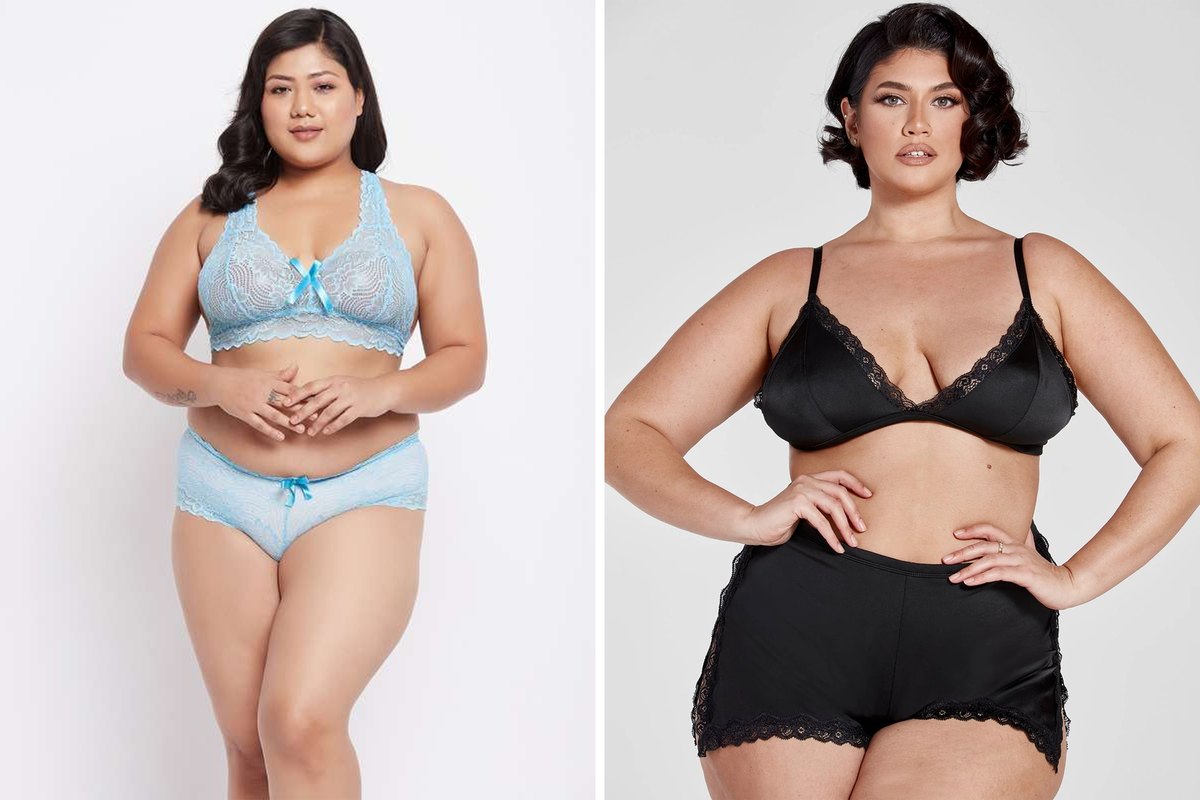
Extended sizes need their own grade rules. Scaling up a medium does not produce a 3XL.
Build the chart from your customers, not from a competitor
We see the same shortcut constantly: find a brand doing well, screenshot their size chart, adjust the numbers slightly. It doesn't work, because their chart was built for their fabric, their compression, and their customers. Yours are not theirs.
A chart that works usually comes together in four steps.
Measure real people. Thirty to fifty bodies from your target market, at minimum. If you're building postpartum wear, measure postpartum bodies, ideally within the first year after birth, because that's your customer. If you're building extended sizes, measure extended bodies rather than extrapolating from straight-size data. This is the step that gets skipped and the step that decides everything downstream.
Fit the anchor size properly. One size, usually large, gets fitted on a real fit model until it's genuinely right. Not almost right. Every other size in the run is graded from that anchor, so an error here multiplies across the whole chart.
Grade with shapewear rules. Increments at the waist should run roughly 4 to 5cm per size in medium control, while tension zones change less. Ask your factory's pattern maker how they grade compression garments, and listen for whether the answer sounds like a system or a shrug. Straight-line grading, where every size adds the same centimeters, is the single most common cause of bad extended sizes.
Fit-check the ends of the run. Try the smallest and the largest, not just the middle. A 1cm grading error per size becomes 5cm by the time you reach 3XL, and that's how a brand ends up with an extended range that technically exists and practically doesn't fit anyone.
Extended sizes: inclusivity as an engineering problem
Adding 3XL and 4XL to look inclusive without re-grading is common and it doesn't survive contact with customers. Bodies change shape as they get larger, not just size. Rise lengths, strap placement and cup-to-band ratios all need different treatment. When a brand does this properly, the reviews say so, and the loyalty in that market is remarkable. Customers who have spent years making do with garments that don't fit notice immediately when something does.
One practical note: if you're planning extended sizes, say so at the tech pack stage. Retrofitting grade rules onto a pattern that's already approved costs more than building them in, and it delays the launch you were trying to bring forward.
The part brands control and factories can't fix
We can build to your chart. We can't decide what your chart should say, and we can't write your product page. That's where a large share of returns actually come from, and it's worth spending an afternoon on.
Three things consistently reduce returns in the brands we watch.
Address the between-sizes customer directly. One line on the product page: "Between sizes? Size up for all-day comfort, size down for maximum shaping." It sounds trivial. It is not.
Describe compression in human language. "Feels like a firm hug across the midsection" tells a customer more than "400 denier" ever will. Put the technical numbers in the specs and the plain description in the copy.
Show how to put it on. Three steps: step in, roll up, adjust. Brands with a donning guide get fewer "impossible to wear" reviews and fewer returns from customers who never actually got the garment on properly.
For categories with fit-critical purposes, this guidance stops being marketing polish and becomes part of the product. A post-surgical bra that's sized wrong isn't just uncomfortable, it interferes with recovery. A chest binder that's too tight is a health question. The product page is where those mistakes get prevented.
What good looks like in numbers
When a brand fixes sizing properly, the change shows up fast. Return rates in this category typically sit between 25 and 40 percent. The brands we work with that invest in grading and honest fit guidance usually land in the low teens. Reorder rates climb at the same time, because a customer who trusts your chart buys the next style without hesitating.
The brand from the beginning of this article re-graded, rewrote their product page, and spent a month collecting measurements from customers. Their return rate dropped to 12 percent within two quarters. Nothing about the garment changed except which size people were buying.
Frequently asked questions
Should shapewear fit tight or loose?
Snug and even, compressing without restricting breathing or movement. If it digs, rolls or causes numbness, it's too small or too firm for what the wearer wants. When customers are between sizes, most are happier sizing up for all-day wear.
How do I put together a size chart for shapewear?
Measure 30–50 customers in your target market, fit one anchor size on a real fit model until it's right, grade with shapewear-specific increments, and fit-check the smallest and largest sizes. Never copy a competitor's chart, because their fabric and compression aren't yours.
Why does shapewear roll down at the waist?
Almost always a size or proportion issue, occasionally a construction one. The garment is too small for the torso, or the body carries volume where the pattern assumes it doesn't. Correct grading plus silicone gripper tape at the waistband solves the majority of cases.
How many sizes should a new line launch with?
Six is a sensible minimum, whether that's XS–2X or S–3X for your market. Add extended sizes once the core range sells, and re-grade properly when you do rather than scaling the existing pattern upward.
Can a manufacturer help with sizing development?
A good one should. Grading, fit sessions and size-run sampling are normal parts of the sampling process. If a factory only offers a single sample in a single size, ask what their full process includes before you commit to an order.
If your returns are being driven by fit rather than by quality, that's fixable, and it's usually cheaper than the ad spend you'd need to outrun it. Send us your current size chart and a couple of customer measurements and we'll tell you where we think it's going wrong.