
How to Start a Shapewear Brand: A Factory's Playbook for First-Time Founders
October 14, 2025 · Yogaaga Product Team
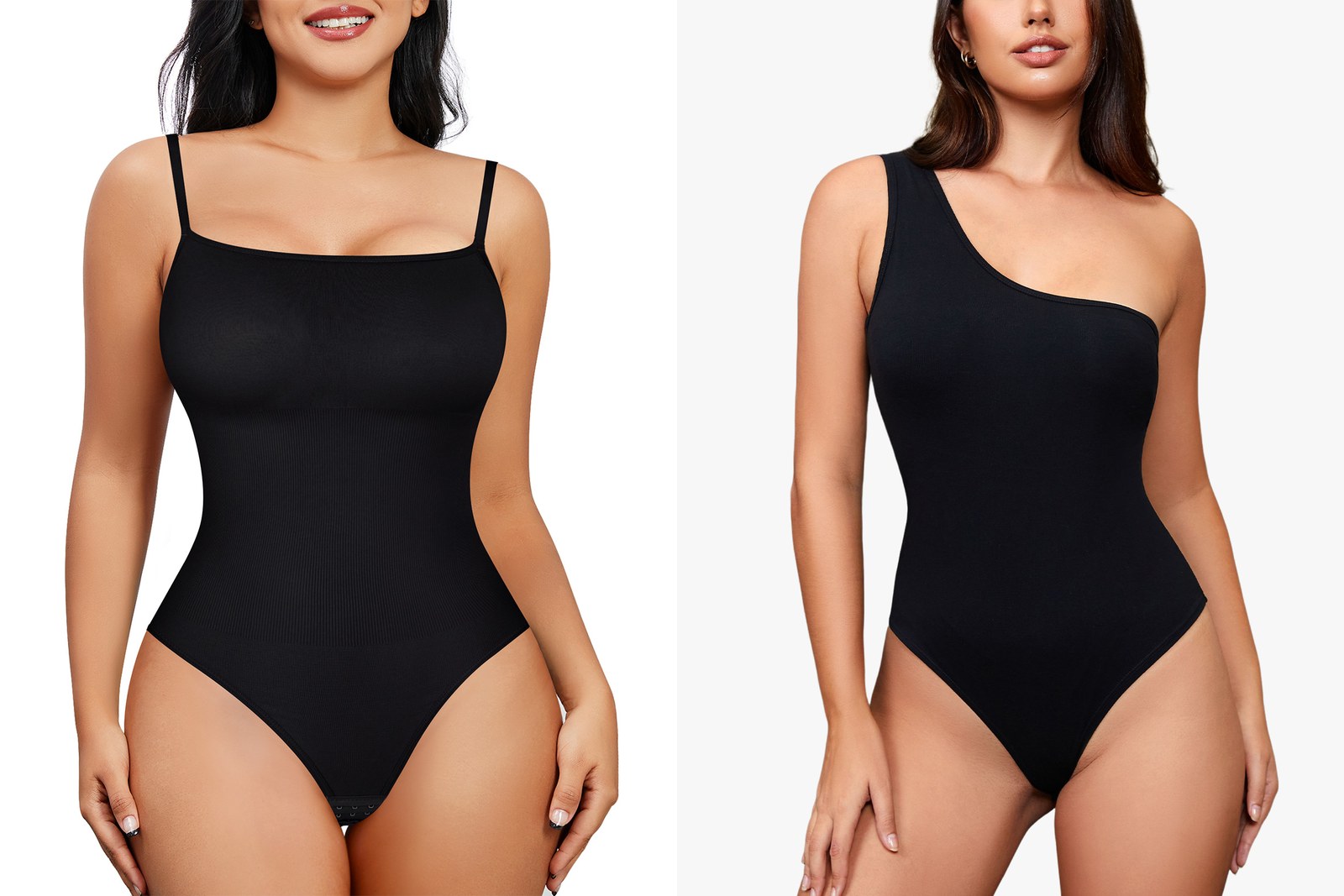
Not long ago a woman in Manchester sent us a nine-page PDF. Tech packs, mood boards, a teardown of eleven competitor brands, a three-year revenue forecast. On page seven, buried under a fabric spec sheet, was the question she actually wanted answered: do you think anyone will buy this?
We get a version of that email most weeks. Some of the people writing it will be doing seven figures in two years. Others will spend fifteen thousand dollars on inventory that sits in a garage until they give up. From where we sit, the difference is rarely the product and almost never the effort. It's the order things get done in.
So this is the sequence. Twelve years in Guangzhou making shapewear for other people's brands has taught us a few things the business-plan templates leave out, starting with the parts nobody enjoys.
Before anything else, pick a lane narrow enough to matter
"Shapewear for women" is not a business. It's a shelf in a department store, and you don't get to own it.
What tends to work for a new brand is one specific person with one specific complaint. Postpartum mothers who want compression they can nurse in. Women above a 3X who have given up on shaping briefs that roll. People recovering from surgery who need a front-closure bra their clinic will actually recommend. Gym-goers who want to sweat more and don't mind a latex feel. None of these are glamorous markets. All of them have customers who buy more than once.
Here's the counterintuitive part, and it took us a few years to believe it: a crowded category is often easier to enter than an empty one, because the customers are already searching. Nobody types "adaptive postpartum shaping corset" into Google. Hundreds of thousands of people type "shapewear" every month. The skill is in being the brand that shows up for a slice of that traffic with something specific to say.
The failure mode we see most often is the 30-SKU launch. A founder wants to look established, so they develop a full range before selling a single unit. What arrives is thirty shallow samples, a factory that spent three months on sampling instead of production, and inventory spread across so many styles that nothing ever hits a reorder quantity. Eight styles in one niche will outsell thirty styles spread across five.
Then decide who designs the product
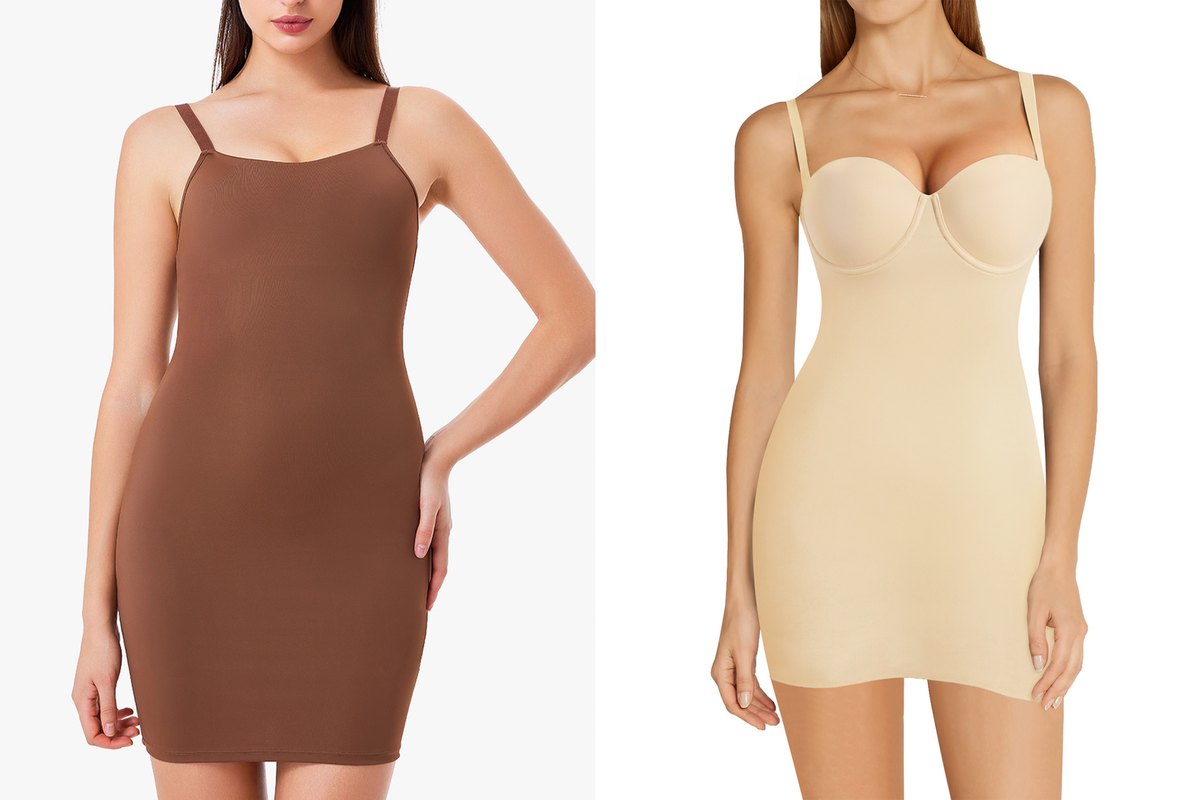
A catalog style like this slip can carry your brand from day one, no design work required.
There are three ways to get product made and they carry very different risk profiles.
ODM means you choose from designs the factory has already made, tested and sold, then change colors, fabrics, trims, labels and packaging. Sampling is quick because the pattern already exists. Roughly four out of five first-time clients we work with start here, and if you're launching without design experience, we'd push you toward it even if you came to us asking for custom development.
Private label is ODM with the branding dial turned up: your woven labels, your hang tags, your packaging. Same low development risk, better margin story.
OEM is where you bring tech packs or sketches and we build to your spec. It's the right answer for brands that already know what their customers buy. It's an expensive answer for brands that don't, because you'll pay for sampling rounds to discover things the market could have told you for free. We've watched people spend three thousand dollars developing a bodysuit that turned out to be our stock style with a different neckline. Not a disaster, just an avoidable one.
There's more on how the models compare, including who owns the pattern, on our OEM and ODM services page.
The money, without the fairy tales
We'll use a real shape of an order: five bodysuit styles, private label, produced in China, shipped by sea to a warehouse in the US or Europe.
- Samples: five styles at $30–80 each, plus $40–60 courier = $300–500
- Inventory: five styles × 50 pieces at $4–7 per unit = $1,000–1,750
- Labels, tags, packaging: $200–400
- Sea freight, small volume: $300–600
- Duty and the small stuff: $150–300
Call it $2,000 to $3,500 in the door. You can do it for less if you accept a narrower size run or fewer colors, and there are legitimate ways to structure a first order smaller than you'd think, which is what our piece on shapewear MOQs is about. What you can't do is skip sampling and land at $800. When someone tells you they launched a shapewear brand for that, ask what the return rate was.
Sampling is where the brand gets built
New clients sometimes apologize for sending a long list of changes on the first sample. We'd rather they didn't. Every fix costs a fraction as much before bulk as it does after, and a fit problem caught in sampling is a review you never have to read.
Four things we ask clients to check on every sample, in this order:
- Put it on three different bodies. Not the fit model, not you. Shapewear either works on a real range of shapes or it doesn't, and "doesn't" tends to show up later as a return rate north of thirty percent.
- Stretch it and let go. Pull the fabric out, hold for ten seconds, release. If it doesn't come back fully, it will bag at the waist within a month of ordinary wear.
- Wash it hot three times. Pilling, bleeding, seams twisting out of line. You'll find all three at this stage or you'll find them in reviews.
- Yank every seam. A popped seam in the first month is a one-star review that outlives the product.
Two or three revision rounds should be included in sampling. Use them all. The brands that rush this stage usually come back to us six months later to fix the pattern, which costs far more than the round they skipped.
The calendar problem nobody warns you about
This one is worth more than everything above it.
Chinese factories stop for Spring Festival. Not for a long weekend — for two to three weeks — and the wind-down on either side is real: workers travel home, lines run at partial capacity, and the first weeks back are spent catching up instead of starting. Freight capacity tightens in the same window. An order confirmed in early December has a decent chance of shipping in March. The same order confirmed in September ships in November.
We tell clients to work backwards from their selling season. If you want product on a shelf in March, you are placing that order in November at the latest, and you are confirming samples in October. Founders who plan around their launch date instead of the factory calendar lose a quarter without understanding why.
Two smaller compliance notes while we're here, both boring and both non-negotiable. First, garments sold in the US need fiber content, country of origin and care labeling that meets FTC textile rules; the EU layers REACH chemical compliance on top. Any factory with a functioning quality system handles this without drama. Second, mind your claims. "Slims two inches instantly" is the kind of promise regulators have fined brands over. "Smooths and supports under clothing" is a description of a garment. Write the copy before you place the order, so nobody promises something the pattern can't deliver.
Where the product goes
The channel question gets more attention than it deserves at this stage, but the order of operations matters. Launching on your own store first keeps your margins and your customer data, and shapewear is a category where a good product page sells better than a marketplace listing ever will. Amazon makes sense once you have reviews and photography worth competing with; going in cold means paying for visibility against listings with four thousand reviews. Boutiques and clinics come later, and quietly become the most profitable channel for a lot of brands. We went through the numbers in the channel guide if you want to plan that part properly.
The honest calendar
Assuming you have a job and are doing this in the evenings:
- Weeks 1–2: niche research, competitor teardown, shortlist three to five factories
- Weeks 3–4: quotes, material decisions, sample orders placed
- Weeks 5–7: samples arrive, revisions, approval. This stage always runs long. Plan for it rather than being surprised by it.
- Weeks 8–12: bulk production
- Weeks 10–13, in parallel: brand assets, photography, store build
- Week 13 onward: launch
Three to four months from first email to first sale, if it goes well. Anyone offering you six weeks is either shipping by air and eating the margin, or skipping the sampling stage entirely.
Frequently asked questions
How much does it cost to start a shapewear brand?
For a focused first collection of four to six styles with private labeling, budget $2,000–3,500 landed, covering samples, inventory, branding and freight. You can start leaner with ODM trial orders and a narrower size run. Be careful below $1,500: at that budget something is usually being skipped, and it's rarely something you want skipped.
Can I start a shapewear brand without design experience?
Yes. That's the entire point of ODM and private label manufacturing. You select proven styles and spend your energy on positioning, photography and customers. Custom development can wait until sales data tells you what your line is missing.
How do I find a manufacturer I can trust?
Look for an actual factory rather than a trading company, one that answers technical questions with specifics, holds current BSCI or WRAP audits and OEKO-TEX certificates, and samples before bulk without being pushed. Our manufacturer vetting guide has the ten questions worth asking.
Is the shapewear market too saturated to enter now?
The generic end of the market is crowded. Specific markets are not. Postpartum, plus-size, post-surgical and adaptive shapewear all have more demand than good supply, and customers in those segments tend to be loyal once a fit works for them.
How long does it take from first contact with a factory to product in hand?
Ten to fourteen weeks in normal conditions: two to three weeks for quotes and decisions, two to three weeks sampling, three to five weeks production, three to five weeks sea freight. Add two to three weeks if your order lands near Spring Festival.
One last thing, since it's the part of this article we care most about. The founders who do well with us are not the ones with the most elaborate plan. They're the ones who ask good questions early, take sampling seriously, and treat the factory as a partner instead of a vending machine. If you want a straight read on your own plan, including whether we think it will work, send it over. We answer within a day.