
Shapewear MOQ, Explained: What 'Minimum 50 Pieces' Really Means
October 18, 2025 · Yogaaga Product Team
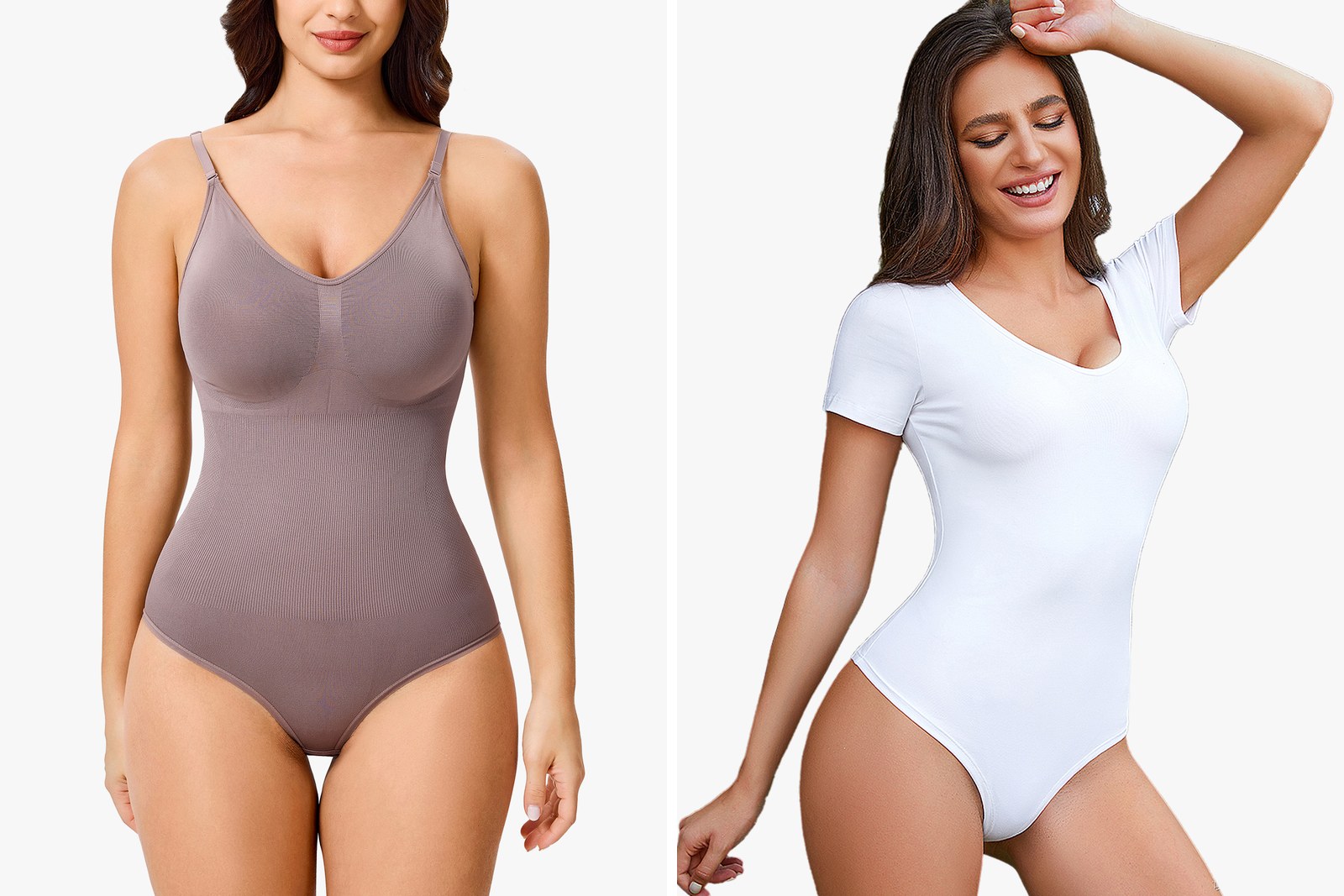
The email usually arrives on a Tuesday, and it usually says something like this: "Your MOQ is 50 pieces per style. I only need 15 to test the market. Can you do that?"
Fair question. Asking it well is the difference between getting a useful answer and getting a polite no, and a surprising number of founders never learn which they received.
Let's open the number up, because a minimum order quantity of 50 pieces is not one policy. It's an arithmetic result, and once you understand the arithmetic you can usually find room in it.
What the number is actually paying for
Putting a style into production means stopping whatever the line was doing and setting up for something else. That setup has a cost, and it's nearly identical whether you run 50 pieces or 500:
- Pattern and marker work. Even an existing style needs re-marking for your size run and fabric width. On a fully custom style, this is a new pattern from scratch.
- Cutting setup. Spreading the fabric, laying the marker, checking the first ply, setting the die. Cutting 50 pieces takes nearly as long to prepare as cutting 300.
- Machine retooling. Moving a line from a light seamless knit to a heavy powernet means re-threading, re-tensioning, and adjusting cams. That's an hour or two of skilled labor before the first good unit comes off the line.
- Trims and printing setups. Your care labels, brand labels and packaging need plates or digital setups of their own.
- The quality baseline. In-line checks and a final inspection have to happen on every batch. Nobody sensible skips QC to make a small order viable.
Add that up in a Chinese factory and a single style's setup lands somewhere between two and six hundred dollars. At a five-dollar unit price, fifty pieces barely covers the interruption. That's the number. Not a sales tactic, and not arbitrary.
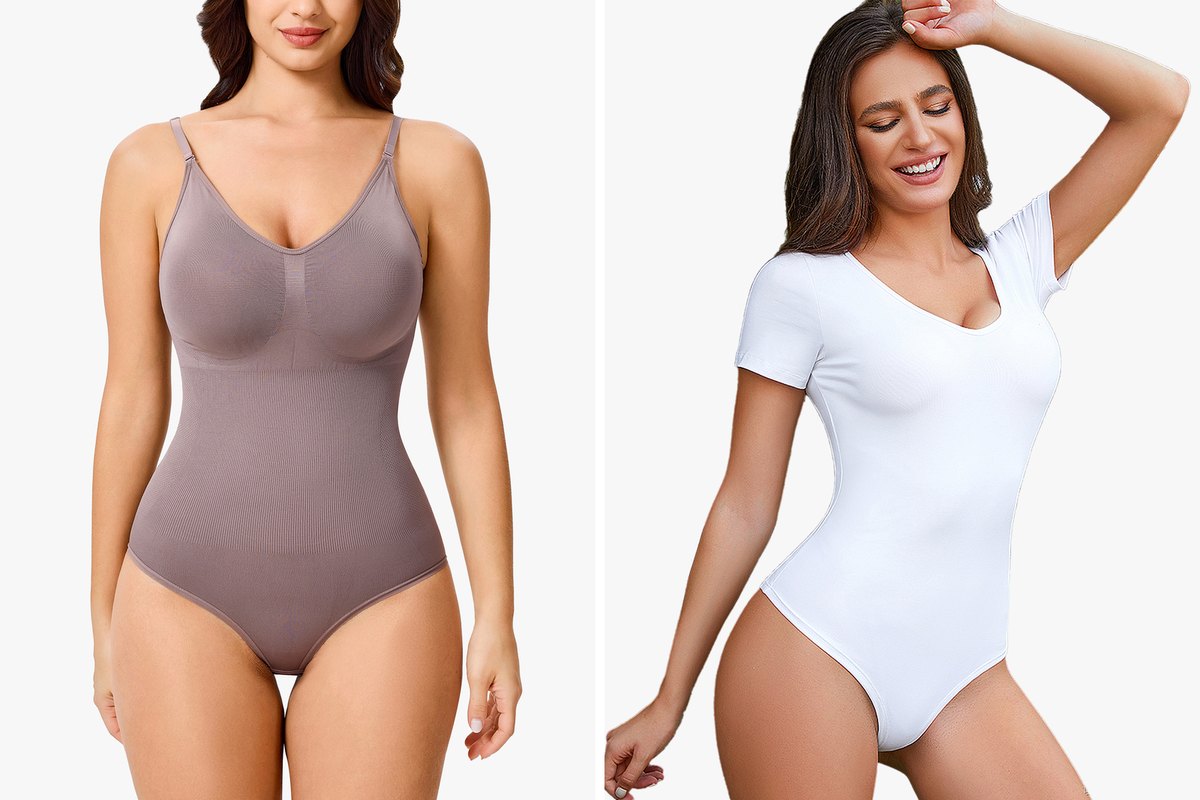
Bulk production is where setup cost gets spread across enough units to make sense.
The clause almost nobody reads
"MOQ 50" almost always means fifty per style, per color, per fabric. Order one bodysuit in black and beige and your effective minimum just became a hundred pieces. If you're comparing quotes from two factories and one of them is dramatically lower, check whether they're comparing the same structure or quietly pricing a single colorway.
Where the number bends, and where it doesn't
So what actually happens when a client asks us to go below minimum? It depends which part of the minimum they're asking about. Some of it we can move. Some of it we can't, and pretending otherwise would just move the cost somewhere less visible.
Usually negotiable. Splitting one style across two or three colors, as long as you accept a modest per-unit surcharge, because each colorway is still its own dye lot. Mixed sizes inside a style are free, and we'd rather you order a realistic size curve than 50 mediums. A genuinely smaller first order, sometimes as low as 30 pieces, if you're willing to document a reorder volume. We've done this plenty of times, and most of those clients came back at 300.
Not negotiable, for physical reasons. Custom fabric colors below the dye lot minimum, which sits around 300 kilograms of fabric. Below that, the dyeing surcharge costs more than the fabric. And custom hardware, meaning your own hooks, sliders or zipper pulls, needs tooling and plating that simply doesn't scale down. If a factory claims they can do a fully custom fabric in your exact color at 40 pieces without a surcharge, ask them where the fabric is coming from. There's a real answer and it usually isn't a good one.
How to ask so that you get a yes
Factories respond to trajectory. Two clients ask the same question in the same week; one gets a yes on 30 pieces and one gets a polite no. The difference is almost always how the request is framed.
What doesn't work: "What's the lowest you can go?" It signals a client who will negotiate every order and disappear after the first one.
What works: "I want to validate three styles with a small first order in March. If the launch hits target, the reorder in June is 250 pieces per style. Here's the colorway and size split I'm planning." That's a conversation about a future, and factories price futures differently. It also gives us something concrete to take to production planning, which matters more than people realize: a slot we can schedule is worth more to us than a favor we can't.
The other lever is reducing variables rather than quantity. One fabric, one colorway, standard trims, and three styles that share a construction so they can run in a single production slot. Every variable you remove lowers the setup cost that the MOQ exists to cover. We've taken orders well below our standard minimum on that basis, because the real cost to us was much lower than the standard case.
What a sane first order looks like
A structure we see work repeatedly: three seamless styles, two colors each, fifty pieces per style-color, private labeled.
- Six style-color combinations × 50 × $4.20 average = $1,260
- Labels, tags, packaging: $260
- Samples, three styles with two revision rounds: $240
- Sea freight and insurance: $420
- Duty and port charges: $220
Roughly $2,400 landed for 300 sellable units. At an $18–28 retail price that's a first inventory bet big enough to learn something and small enough to survive being wrong, which is exactly the size a first order should be.
About trial orders of twenty
We get asked for these constantly and we almost always say no, so it's worth explaining why that's a good sign rather than a bad one.
A factory with full lines and a healthy client list can't economically interrupt production for twenty pieces. A factory that says yes to everything has empty machines, which usually means it's either new, in trouble, or a trading company reselling someone else's stock with no control over quality. None of those are disqualifying on their own, but they're worth knowing before you wire a deposit.
If you genuinely need to see quality before committing, there are better routes than a tiny order. Order paid samples, which is what they exist for. Ask for a video call while your sample is on the table. Book a third-party inspection once you do order. All three cost less than a bad bulk order, and they tell you more than twenty units ever would.
Frequently asked questions
What does MOQ 50 pieces actually mean?
In almost all cases, fifty pieces per style, per color, per fabric. Confirm the exact structure before you budget, because "50 total" and "50 per colorway" are very different amounts of money.
Why is MOQ higher for custom designs than for stock styles?
Custom work adds pattern development, additional sampling rounds and new cutting setups. Stock ODM styles reuse patterns and materials that are already paid for, so the fixed cost per style is much lower and factories can afford to run less of it.
Is it worth paying a surcharge for a smaller first order?
Often yes. Ten to fifteen percent more per unit on a 30-piece trial is usually cheaper than being pushed into 100 pieces of a style you haven't validated. Do that comparison in cash terms rather than per-unit terms and the answer is usually obvious.
Is a low MOQ a sign of a good manufacturer?
Not by itself. Reasonable minimums with a clear explanation of the cost behind them are the healthier signal. Very low minimums can mean stock reselling, idle capacity or quality problems, so judge the whole picture.
Does a bigger order always mean better pricing?
It comes down in steps. Going from 50 to 300 pieces typically saves 10–20% per unit, and 300 to 1,000 saves another 8–15%. The discount only means something on inventory you can actually sell, so scale after you have sales data, not before.
If you're weighing quantities right now, send us the styles and the size split you're considering. We'll quote it as written, including the surcharge if there is one, so you can compare the real numbers side by side instead of guessing at what's possible. Reorders, once you have a winner, are a much easier conversation.