
OEM, ODM or Private Label? Choosing How Your Shapewear Gets Made
October 22, 2025 · Yogaaga Product Team
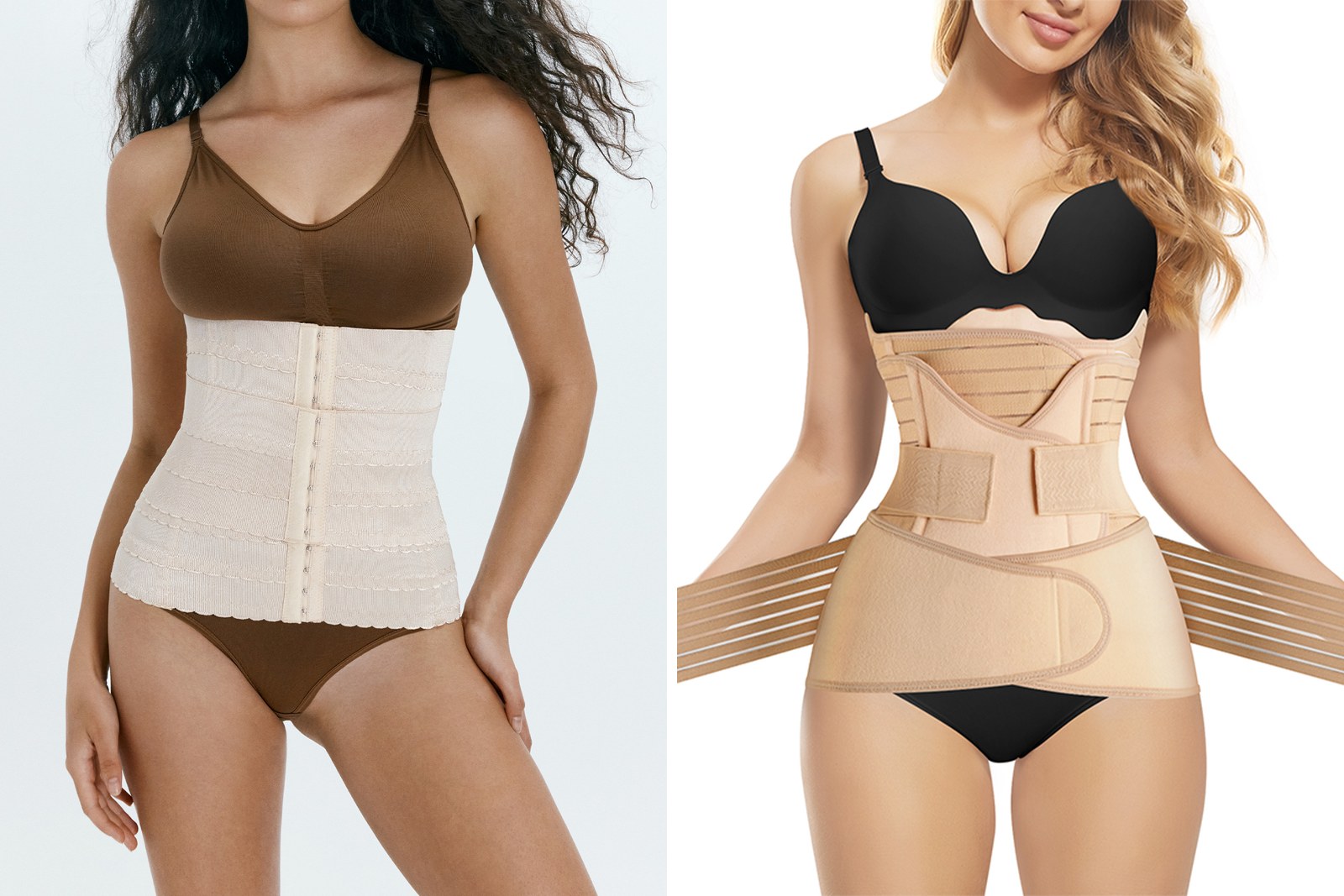
Somewhere in most first conversations with a new client, a photo arrives. A screenshot from a bigger brand's website, usually, with a message along the lines of: "Can you make exactly this, but with my label?"
That single question tells us more about where a brand is than anything else in the email, because the person asking it has already skipped past the three words this whole industry runs on. OEM, ODM, private label. They get used interchangeably in sourcing groups and on YouTube, and the confusion costs founders real money every year.
What each one means when you're the one placing the order, and how we'd choose between them.
The difference in one sentence each
OEM means you bring the design and the factory builds it. ODM means the factory already designed it and you customize it. Private label means you're buying either of those and putting your brand on it properly.
The first two decide who owns the product. The third decides who owns the customer's perception, and it's the one most worth getting right.
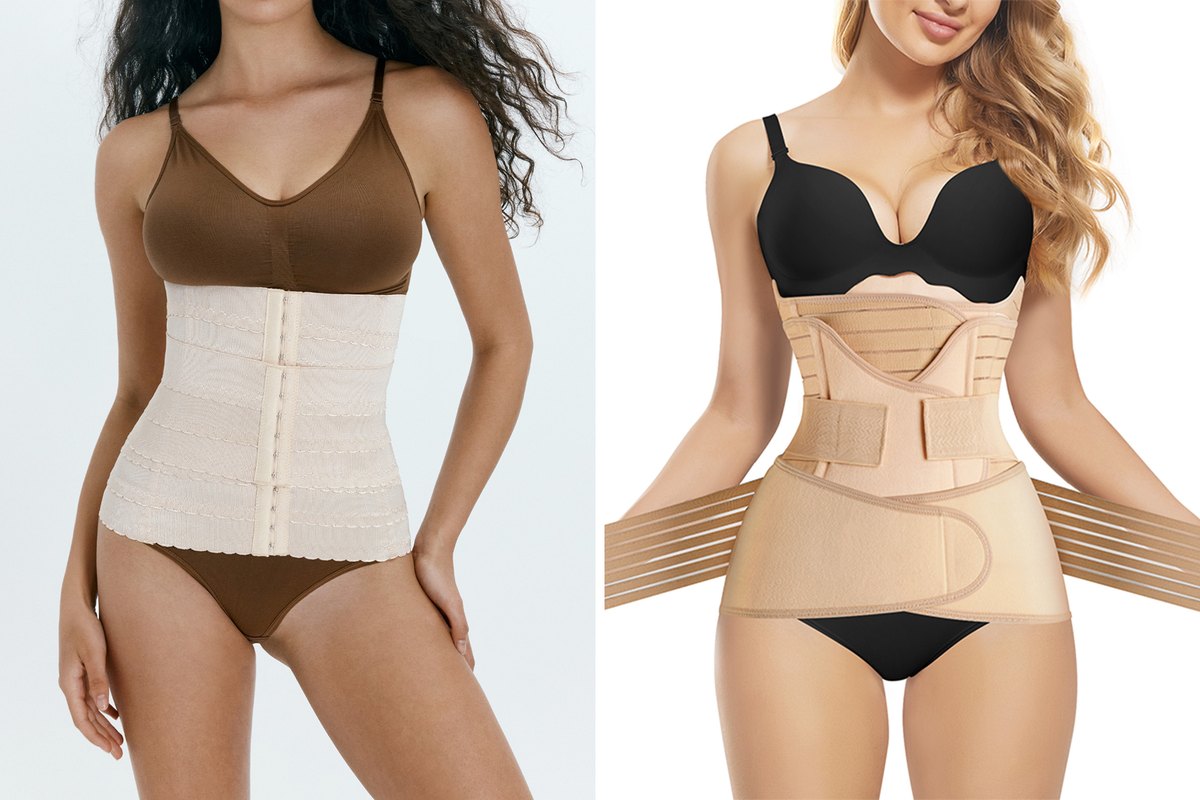
A catalog waist trainer like this can carry your brand without any product development spend.
OEM: your design, our machines, your risk
With OEM, you supply the specification. Sometimes that's a full tech pack with measurements, construction notes, stitch types and a bill of materials. Sometimes it's a sketch and a reference garment you bought and took apart. Either way, our job becomes engineering: making your intent into something a production line can repeat five hundred times.
What you're buying is control and exclusivity — nobody else can sell your pattern, and if the design is genuinely good, that's worth real money.
What it costs is time and optionality. Pattern development, fit samples, revisions, and the possibility that your first sample comes back and the neckline you imagined doesn't work on a real body. Sample costs of $30 to $80 per style per round are normal, and a proper development usually runs two or three rounds. We've seen clients spend three thousand dollars developing a bodysuit. Two of them now have a bestseller they own outright. One of them spent the money to end up with something nearly identical to a stock style, which was an expensive way to learn that ODM exists.
Practical note if you go this route: get the pattern files at the end of the project. Not all factories volunteer them. If you ever change manufacturers, and one day you might, documented patterns make that transition a matter of weeks instead of a rebuild from scratch.
ODM: our design, tested on other people's money
With ODM you choose from styles we've already built, fitted and shipped. The pattern exists. The size grading exists. The fabric is in stock or readily sourced. Your customization happens at the edges: colors, fabric weight, size range, trims, labeling, packaging.
The economics are the reason most new brands start here. Development cost is close to zero because it was paid for across previous orders. Sampling is faster because there's less to invent. You can go from a first email to a confirmed bulk order in about three weeks, and you spend your budget on inventory and marketing instead of on engineering.
The trade-off is that the base style isn't unique. Your competitors can access something similar. That bothers founders more than it should, in our experience, because shapewear customers don't buy patterns. They buy a promise: that this will smooth under the dress, that it won't roll at the waist, that it won't show a line. Winning on positioning and customer experience is a more durable advantage than winning on a neckline, and it's available to anyone willing to work at it.
If exclusivity does matter to you, ask. We can usually offer a style's exclusivity within a market or channel, in exchange for a committed volume. It's a normal arrangement and worth having before you build a launch around one style.
Private label: the part that actually pays
Private label isn't a third sourcing model so much as the branding layer on top of ODM, and it deserves its own section because it's where the margin lives.
Two people can sell functionally identical seamless bodysuits. One charges $19 and ships it in a printed polybag with a sticker label. The other charges $39, uses woven labels with the brand mark, includes a hang tag that explains compression levels, and packs it in a box. The difference in product cost between those two experiences is under a dollar. The difference in price is twenty.
What that layer includes in practice: woven neck labels, printed care and content labels that satisfy FTC and EU requirements, hang tags, polybag or box printing, and logo application by embroidery, heat transfer or silicone. We do all of it in-house, which matters more than it sounds like it should. Every outside vendor in that chain is a delay waiting to happen near your ship date.
The side-by-side
| OEM | ODM | Private label | |
|---|---|---|---|
| Who owns the pattern | You (if you ask for the files) | The factory | The factory |
| Development cost per style | $300–1,500+ | Effectively zero | Effectively zero |
| First bulk order possible in | 6–10 weeks | 2–4 weeks | 2–4 weeks |
| Minimum order quantity | Higher, custom setups | Lower | Lower |
| Who carries market risk | You | Shared with a proven style | Shared with a proven style |
| Best for | Brands with sales history | Launching and testing | Launching with margins in mind |
About that photo of the bigger brand's product
Back to where we started, because it matters and it comes up constantly.
Copying a competitor's garment exactly, including distinctive design elements, is a legal risk you're taking on as the brand owner. It's also a bad habit to build a company on, and it tends to collapse the moment the original goes on sale. What we tell clients who send us a screenshot is this: we can build something built for the same need, at the same price point, for the same body type, and we'll make it better for your specific customer. What we won't do is run a counterfeit of someone else's product.
Most clients accept that quickly once they see the alternative, which is that they end up with a product they can actually defend.
How we'd sequence it
Launch with four to six ODM styles under private label. Sell them for two quarters. Pay attention to which ones reorder, which sizes go out of stock first, and what customers email you about. Then develop one or two OEM pieces based on that information.
The brands that do this end up with a core of exclusive designs surrounded by proven basics, and they never spend development money on a product the market hasn't already asked for. The brands that start fully custom often have beautiful samples and no cash left to tell anyone about them.
Frequently asked questions
Is private label the same as white label?
Close, but not identical. White label usually means one generic product sold unchanged to many brands. Private label adds your branding and often your choice of colors, fabrics and sizes. In apparel, private label is the term that matters.
Can I move from ODM to OEM later, with the same factory?
Yes, and it's usually the smoothest path. The factory already knows your fit standards, quality bar and communication preferences. Several of our long-term clients started entirely on stock styles and now run mostly custom programs.
Who owns the design in an ODM arrangement?
The factory owns the base pattern. You own your brand and your customizations. If you need the style kept out of your competitors' hands, ask about market exclusivity tied to a volume commitment before you launch a campaign around it.
Do I need a tech pack to start an OEM project?
A complete tech pack makes development faster and cheaper. Without one, we can develop it from sketches or a reference sample, sometimes for a fee that comes off the production invoice. What we can't do is work from a verbal description alone and hit your expectations first time.
Which model gives the lowest startup cost?
Private label on stock ODM styles, without much competition. No development spend, lower minimums, faster turnaround. The base designs aren't exclusive, which matters less to customers than it does to founders.
If you're not sure which model fits where your brand is right now, tell us what you've sold so far and what you're planning next. We'll recommend the route we'd take in your position, which isn't always the one that produces the biggest first order for us.